Farsijana, do you travel by train to churches in the eastern United States related to reducing carbon footprints?” An innocent question asked after almost two months: I arrived back in Berkeley, California. This letter had already begun to be written in my mind before arriving here. The parable of the sower from Matthew 13 reminded me of my journey since arriving in mid-June until now in mid-September 2025 when the autumn color arrive. Matthew 13 describes Jesus teaching the disciples and the crowd with parables. Parable comes from the Greek “parabole” meaning a comparison of two things to illustrate a point. Its meaning is the same as the Hebrew “mashal,” which means to compare. Both terms describe a brief form of conversation that compares similar ideas, illuminating a spiritual encounter.
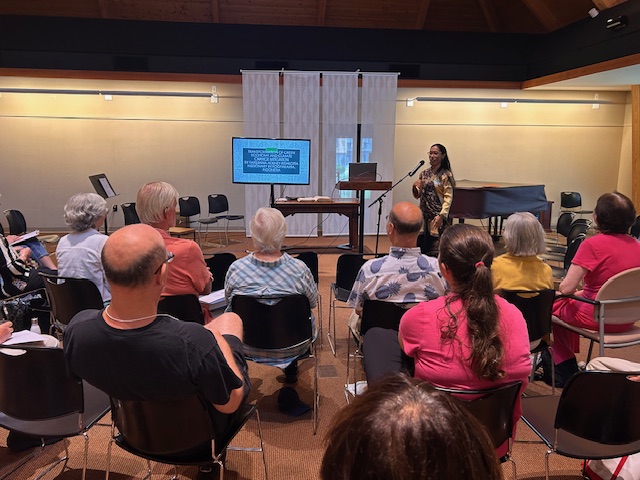
So, can my mission itineraries, visiting churches to share about the work of the Lord Jesus in Indonesia, be likened to parables? Writing about my journey contains interpretations, seeking to convey the meaning of God’s work in Indonesia to His people in the United States. Questions explain a depth of engagement between the congregation and me in every interaction and dialogue during my presentation. For example, there are questions about whether the economic development model implemented involving Muslims and Christians in Yogyakarta can be expanded to other regions in Indonesia. Do cooperative members who access the Semar mobile application have to pay for it? Because in the United States, all the applications used appear to be free but are actually paid and expensive. Farsijana, can you explain why farmers should plant trees? Is Farsijana’s ministry also related to fighting for social justice issues to highlight the existence of unfair economic structures in society? How is the church and life in Indonesia?
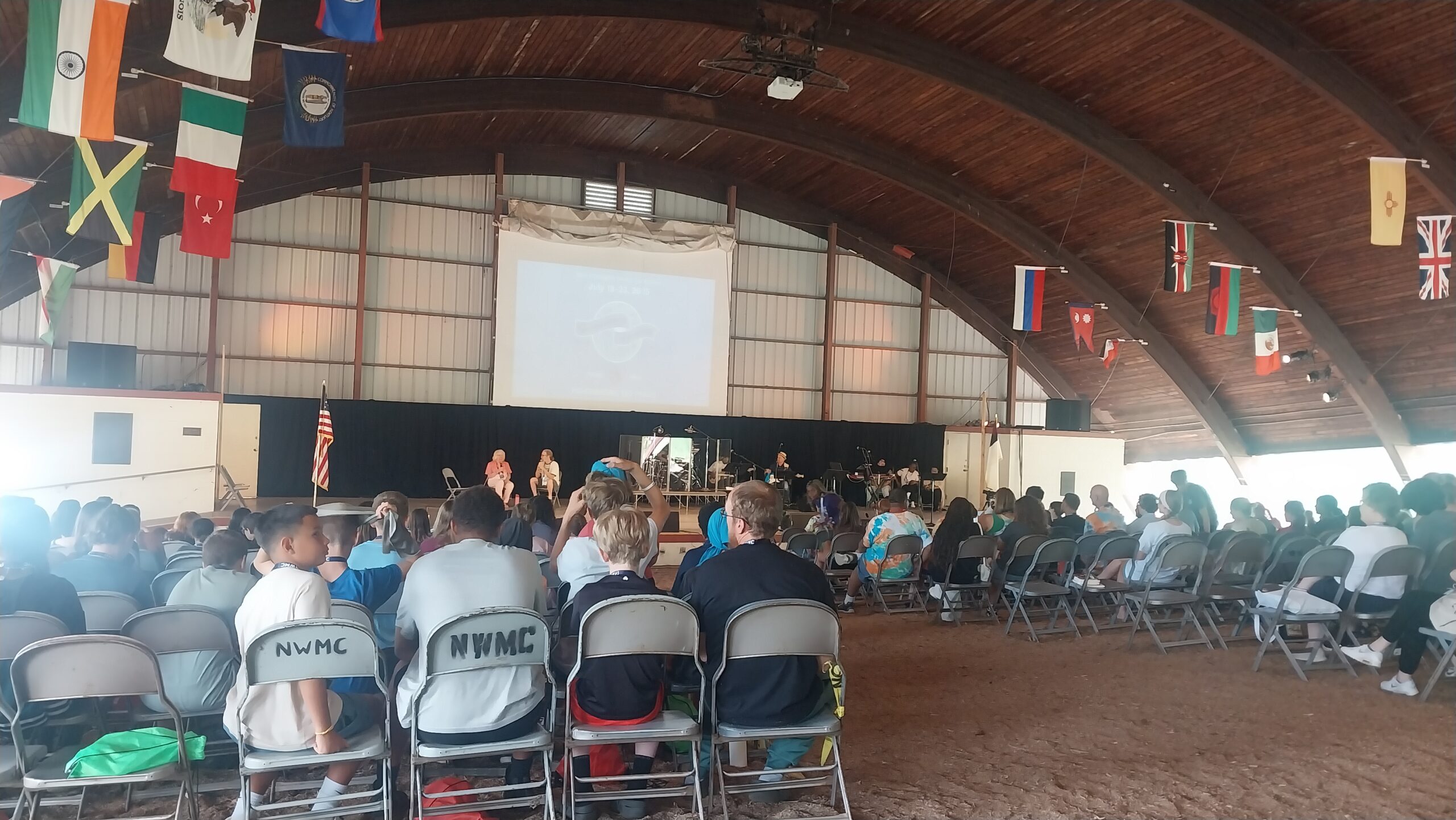
Questions from the New Wilmington Mission Conference about how churches can continue to support Farsijana’s ministry, especially after the disbandment of the PCUSA World Mission. Are there truly genuine initiatives from Indonesia to address climate crisis mitigation, and how do they differ from efforts in the United States to maintain the balance of nature, address global population pressures, and modernize agriculture to achieve food security? Does Farsijana truly feel as if she is accompanied by Abraham when walking in Savannah, because in Indonesia, Spanish moss is called Abraham’s beard? So can Jews, Christians, and Muslims be a blessing to live and provide peace to the world in a situation of economic progress and environmental crisis? These big questions arise during my journey when preparing food for the homeless at Emmaus House in Savannah or when attending worship with a group of homeless people at the New York Presbyterian Church in Washington, DC. The church is called to nurture God’s grace so that it can flow to the entire congregation and the surrounding community.
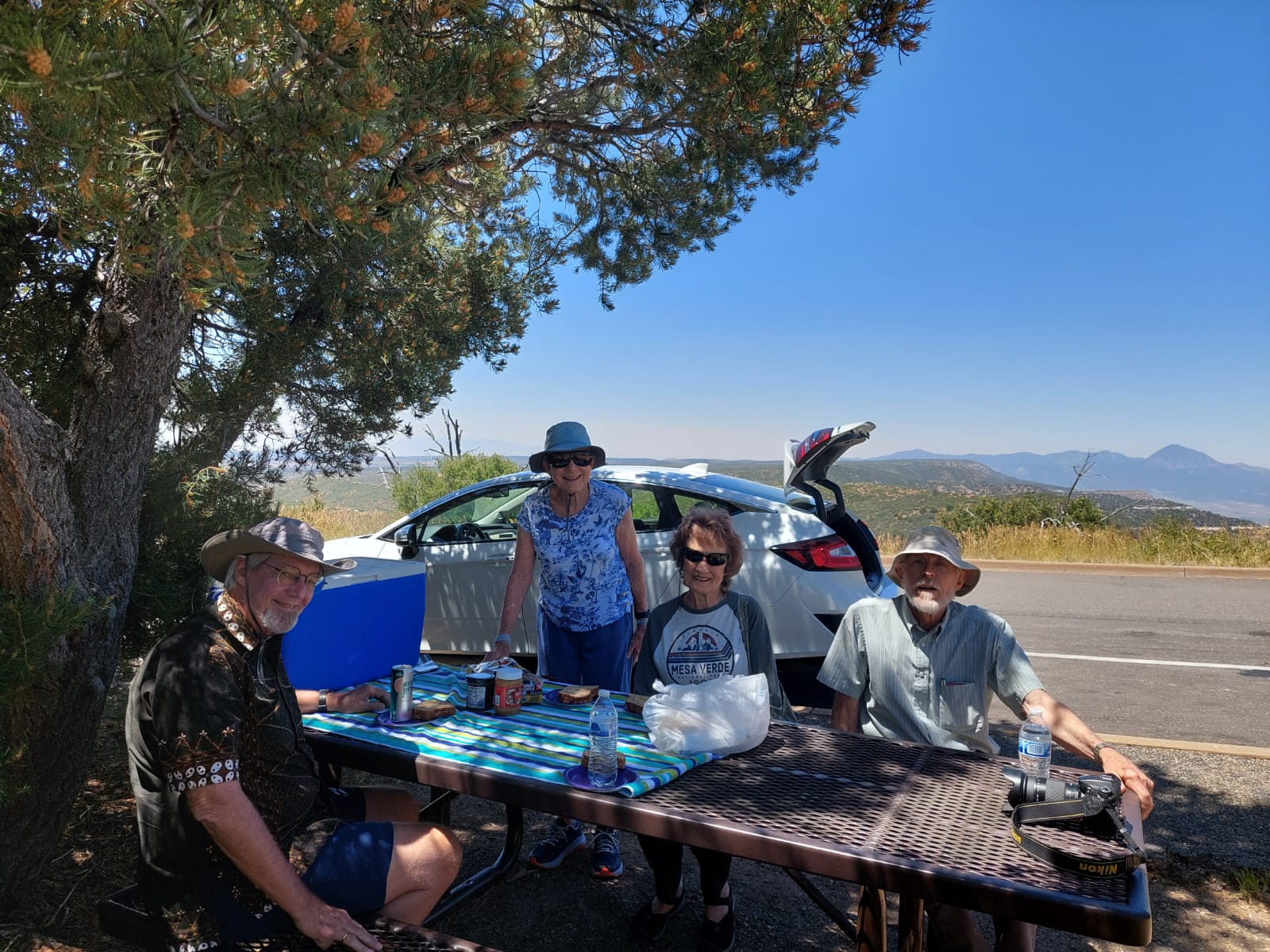
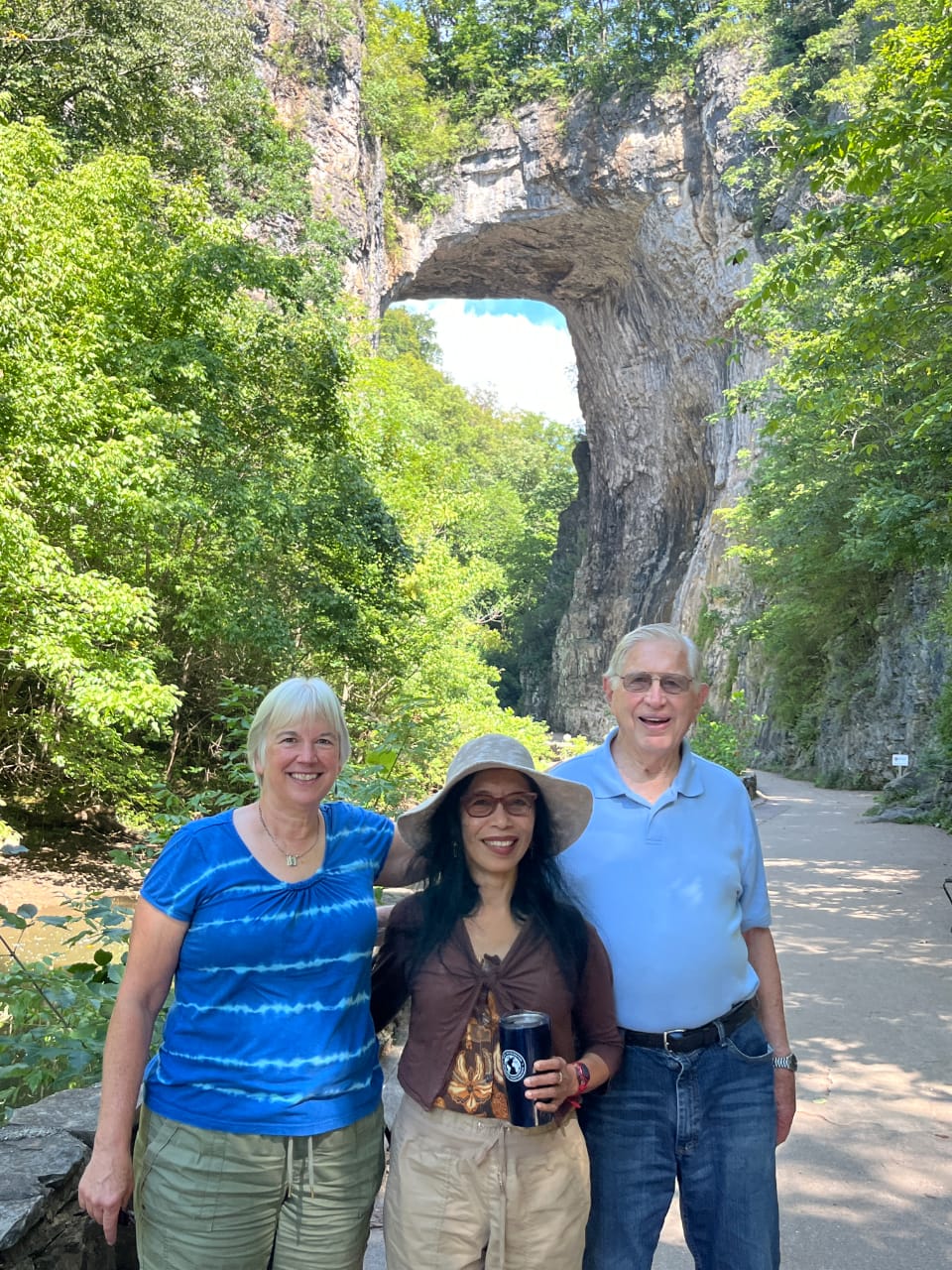
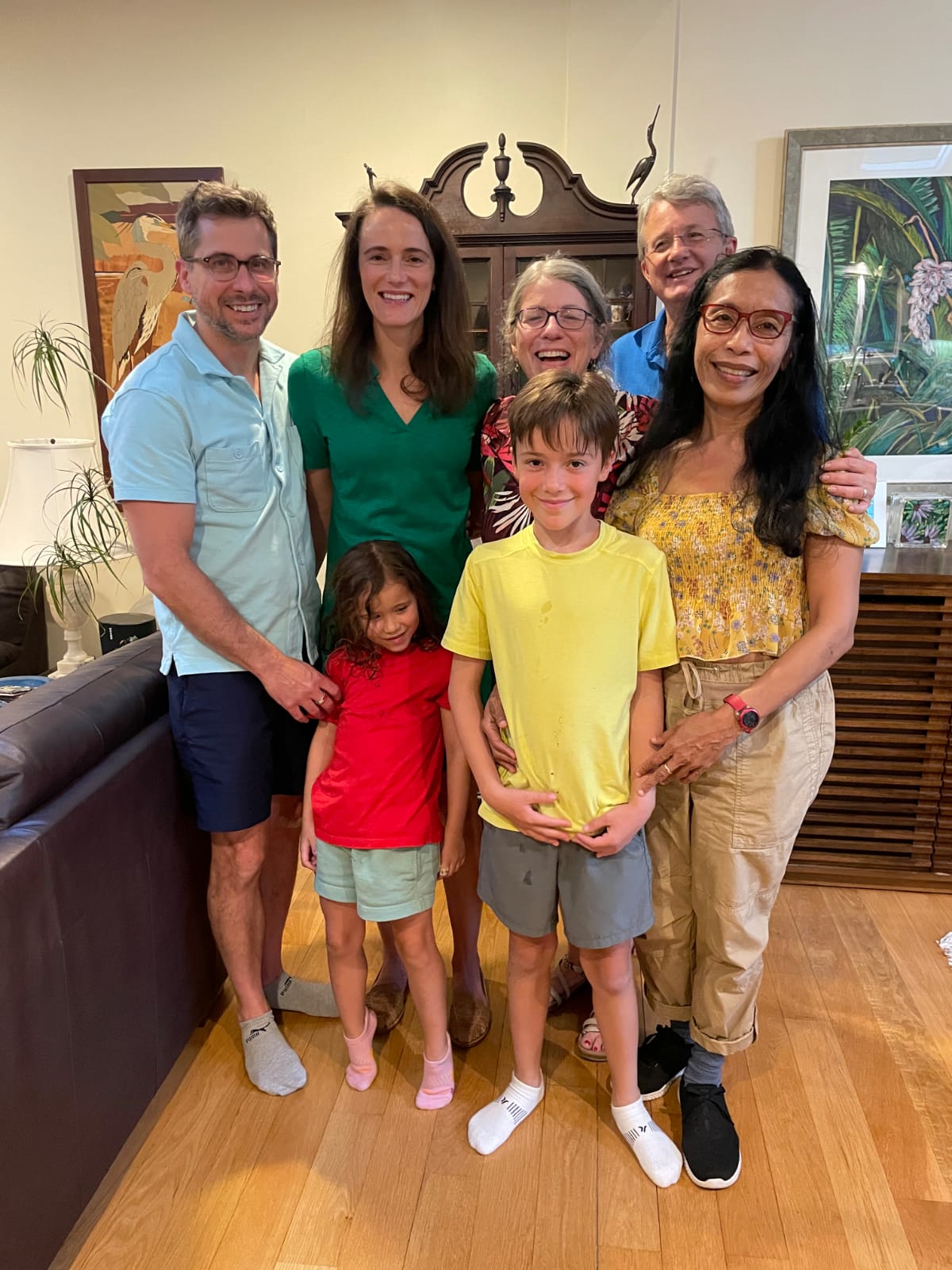
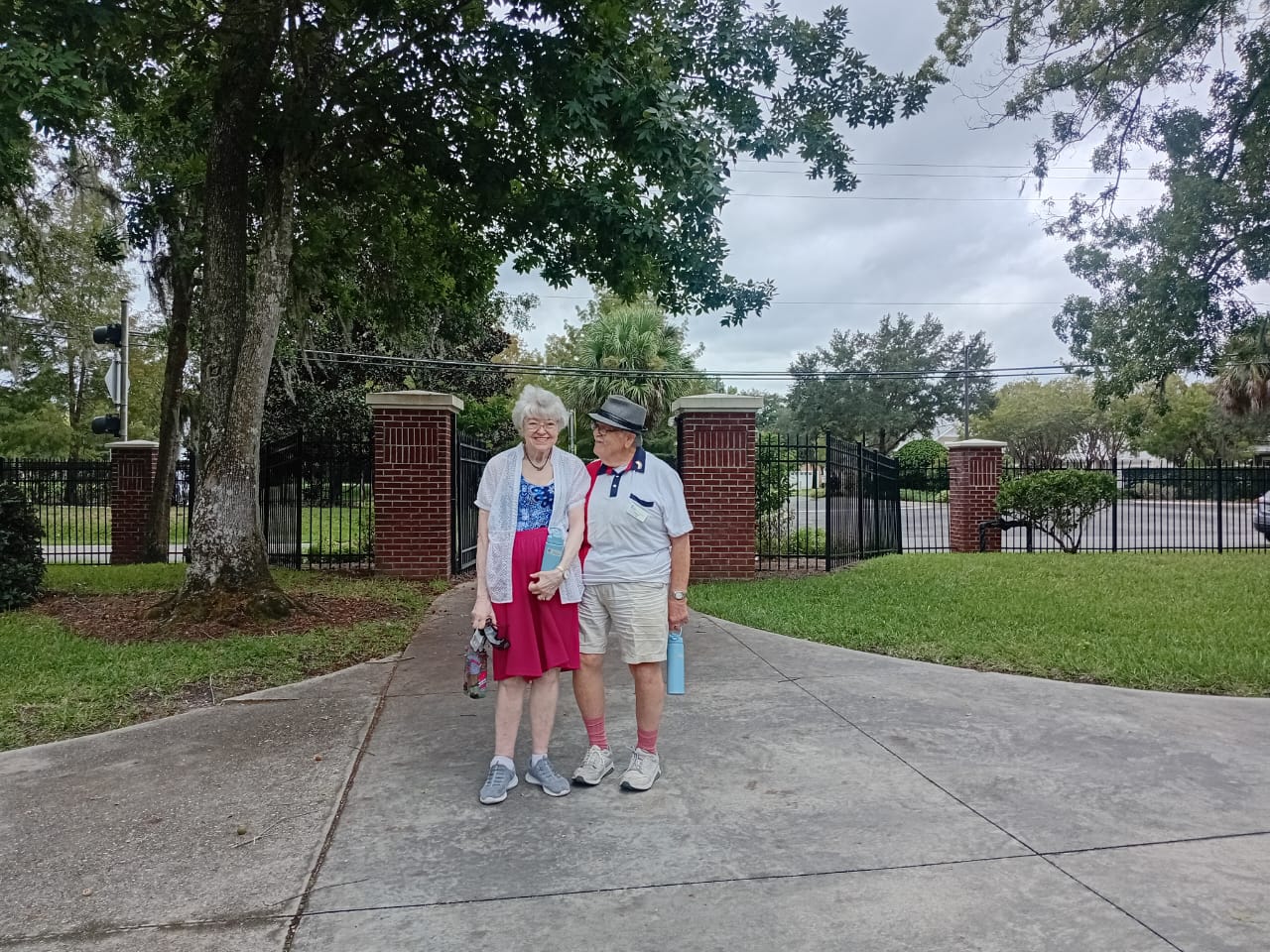
When I live with members of the congregation, eating with them from the kitchen where they prepare meals for the family or the potluck prepared for communal meals, or at the cafes or restaurants that are the pride of every city I visit, I truly feel Christ sitting at the table with us. I return to the United States to live among families, pray together, sing together, experience the beauty of full moon nights, travel through mountains and valleys, hear the wind whispering God’s love on the shore of Tybee Island, traverse the hills along the Blue Ridge in Virginia, and navigate the rivers in Florida to understand the struggles of the oldest city in the United States, St. Augustine, or mesa verda in Colorado, where the indigenous people live in caves. The United States is not a theory, not a news story on social media, but with me on my journey to proclaim God’s work in Indonesia. So, I want to thank the congregations of the churches, the elders, and the church workers who have fought with Christ alongside us in Indonesia.
Thank you to First Presbyterian Church of Farmington, NM; First Presbyterian Church of Berkeley, CA; New Wilmington Mission Conference, PA; Fairfield Presbyterian Church in Sandy Lake, PA; First Presbyterian Church of New Haven, CT; Nassau Presbyterian Church in Princeton, NJ; Princeton Theological Seminary; Lexington Presbyterian Church, VA; McElwee Chaptel of Bethesda Presbyterian Church Rockbridges, Baths, VA; Steve and Marie Fetter in Maryland; Sister Ann and brother Larry Jennings, First Presbyterian Church of Savannah, GA; Geneva Presbyterian Church in Fruit Cove, FL; Rina and Glenn Woodfin, and Marion Adeney in Berkeley, California. Mary Ann and Larry Wright allowed me to play gamelan in their home to encourage me that the sounds of soul music across oceans have found a home in all corners of this country, as profound as the beauty of the natural sounds and music of Indonesia. Thank you to my husband who was with me in California in the three weeks earlier, then together we visited First Presbyterian Church of Farmington, NM where he preached. He returned to Yogyakarta then I began my mission itinerary to the East Cost. God is truly alive with us all! If I haven’t had the chance to visit other churches, I hope that opportunity will come in the next visit. Thank you to the churches that have walked with me in God’s ministry in Indonesia from the beginning. Thank you for your prayers and donations. Christ’s ministry continues in Indonesia. Please scan and read Farsijana’s ministry methodology and for those who want to send the donation please scan and read how to send it to Farsijana’s ministry.